Understanding India’s Export-Import Balance
How India’s merchandise trade has shifted over time, what drives these trends, and which sectors lead the way in global markets.

India’s Trade Position in the Global Economy
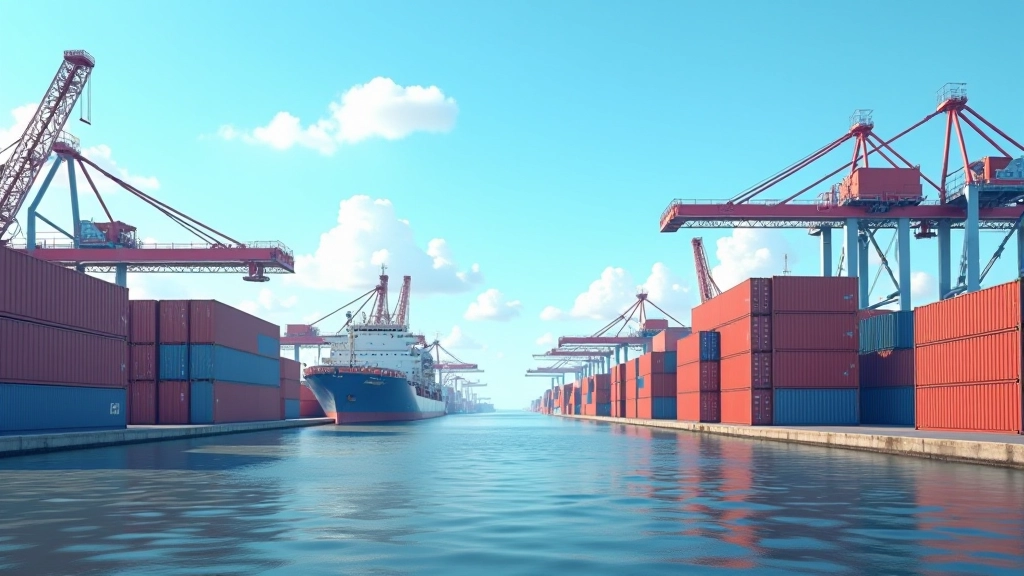
India’s role in global commerce has transformed dramatically over the past two decades. The country isn’t just a consumer of imports anymore — it’s become a major exporter competing in sophisticated manufacturing and services sectors.
Here’s what you need to understand: India’s export-import balance reflects deeper economic trends. When exports grow faster than imports, it signals competitive advantage in certain industries. When imports surge, it often means domestic demand is rising or specific raw materials aren’t available locally.
The numbers matter because they shape policy decisions, influence currency values, and determine which sectors get investment. Over the last decade, India’s merchandise exports have grown from roughly $180 billion to over $420 billion annually. That’s not just growth — it’s structural change in how India participates in global supply chains.

Trade Trends: The Last Decade
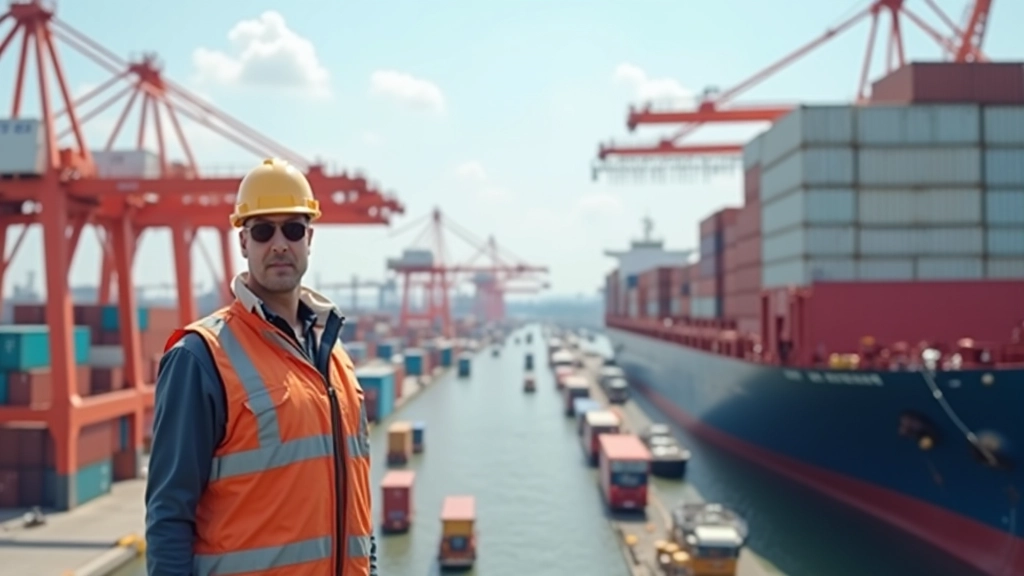
India’s trade pattern shows clear momentum. From 2015 to 2025, merchandise exports grew at roughly 5-7% annually (when accounting for global cycles). Imports followed a similar trajectory, but with more volatility tied to oil prices and raw material costs.
What’s notable is the shift in composition. Ten years ago, textiles and basic chemicals dominated exports. Today? Refined petroleum, pharmaceuticals, engineering goods, and information technology services drive the numbers. It’s not just about making more — it’s about making more sophisticated products.
Import patterns tell their own story. India imports massive quantities of crude oil (roughly 200 million tonnes annually), electronic components for assembly, precious metals, and coal. These aren’t optional purchases — they’re essential for running factories and powering the economy. So even when exports dip, import demand stays resilient.
Sectors Leading India’s Export Growth
Not all sectors are created equal. India’s export strength concentrates in a handful of high-value industries that’ve invested heavily in technology and quality standards.
Pharmaceuticals & Life Sciences
India’s the world’s pharmacy. Pharmaceutical exports topped $50 billion recently, supplying generic drugs to 150+ countries. It’s not glamorous but it’s profitable and essential — developing nations depend on affordable Indian medicines.
Refined Petroleum Products
India exports roughly $35-40 billion worth annually. Refineries in Gujarat and Maharashtra process crude oil and ship refined products globally. It’s a capital-intensive business requiring massive infrastructure investment.
Information Technology Services
IT services aren’t counted as merchandise trade (they’re services), but they’re crucial context — roughly $250 billion in IT services exports yearly. This funds imports and strengthens the current account significantly.
Textiles & Apparel
A traditional strength that’s modernizing. Around $15-18 billion annually. India competes fiercely here against Bangladesh, Vietnam, and Cambodia — quality and efficiency matter more than ever.

Why the Trade Deficit Matters (And Why It’s Not Always Bad)
India consistently runs a merchandise trade deficit — imports exceed exports by $200+ billion annually. Sounds alarming? It’s actually normal for a developing economy. Here’s why.
A trade deficit means India’s importing more than it’s exporting. But that’s partly because India imports capital equipment, machinery, and raw materials needed for growth. You can’t build factories without importing industrial machinery. You can’t run power plants without importing coal and natural gas.
The real concern isn’t the deficit itself — it’s how it’s financed. India covers its trade gap through services exports (IT, business process outsourcing), foreign investment, and remittances from overseas Indians. That’s a sustainable model. If the deficit were financed by borrowing alone, that’d be problematic.
What economists watch: the current account balance (which includes services, investment income, and transfers). India’s current account has swung between deficits and surpluses depending on oil prices and global growth. That volatility’s the real story.
Key Takeaways
Growth is Structural
India’s export growth reflects real gains in manufacturing capacity, quality standards, and global market share — not just price competition.
Sector Matters
Pharma, refined products, and textiles drive merchandise exports. IT services (not counted in merchandise) provide the crucial balance sheet offset.
Imports Enable Growth
India’s trade deficit isn’t weakness — it’s investment in future capacity. Capital goods and raw materials drive manufacturing expansion.
Watch the Current Account
Merchandise trade alone doesn’t tell the story. Services, investment income, and transfers matter. That’s where the real economic health shows up.
Dive Deeper Into Trade Analysis
Understanding export-import dynamics helps you grasp larger economic trends. Explore related articles on India’s trade agreements and key sectors.
Explore Related ResourcesInformation Disclaimer
This article provides educational information about India’s export-import trends and trade dynamics. Trade data and statistics are based on publicly available government sources and international databases. However, trade figures are frequently revised as data collection improves, and economic conditions change rapidly. The analysis presented here is informational and reflects general economic principles — not personalized advice. For specific trade policy decisions, investment analysis, or business planning, consult with trade economists, policy experts, or financial advisors who can assess your particular circumstances. International trade involves complex regulations, tariffs, and geopolitical factors that vary by product, destination, and time period.
Related Articles