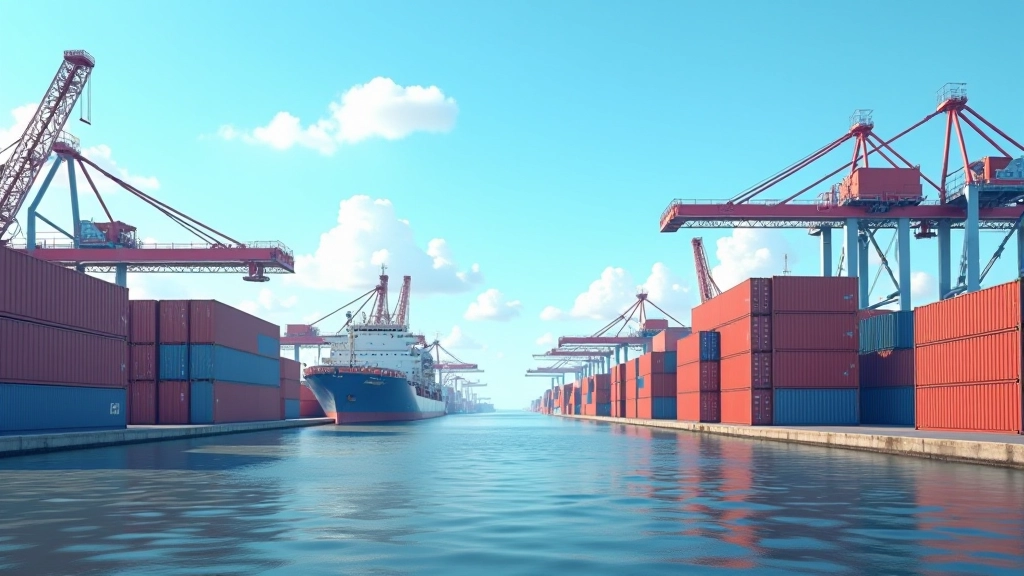

Understanding India’s Export-Import Balance
How India’s merchandise exports and imports have shifted over time, what drives trade flows, and implications for the current account.
Read MoreUnderstanding the bilateral and multilateral trade pacts shaping India’s global commerce
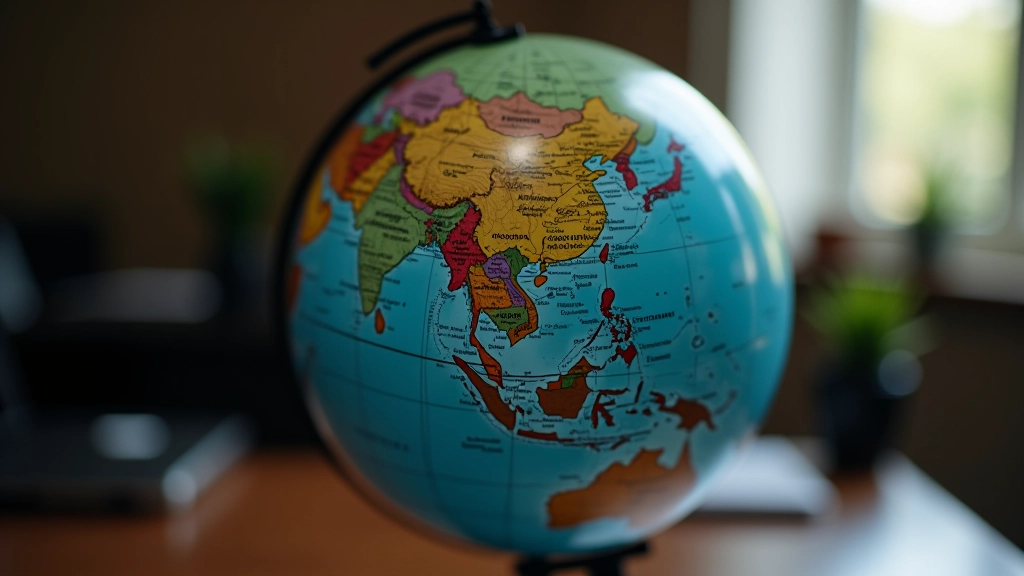
India’s position in global commerce isn’t just about exports and imports. It’s fundamentally shaped by the trade agreements it negotiates with partners around the world. These pacts determine tariff rates, market access, and the rules governing everything from agricultural products to technology services.
Over the past decade, India’s approach to trade partnerships has evolved significantly. The country’s moved from a traditionally inward-focused trade stance toward active participation in regional and global frameworks. This shift reflects changing economic priorities and recognition that deeper integration with global supply chains can drive growth.
Understanding these agreements isn’t just for trade specialists. They affect everything from the prices you pay for goods to employment opportunities in export-oriented sectors. Whether it’s the Regional Comprehensive Economic Partnership (RCEP) or bilateral agreements with individual nations, each pact carries real implications for India’s economic trajectory.

India’s relationship with the Regional Comprehensive Economic Partnership represents one of the most significant recent developments in Asian trade. Signed in 2020 but ratified by India in November 2023, RCEP brought together 10 ASEAN nations plus China, Japan, South Korea, Australia, and New Zealand into a single trade bloc.
India’s initial hesitation about RCEP reflected real concerns. The country worried about Chinese manufactured goods flooding Indian markets and agricultural products from ASEAN nations undercutting domestic farmers. After negotiating stronger safeguard provisions, India eventually joined. The agreement covers about 30% of global GDP and nearly 27% of world trade.
Beyond RCEP, India participates in the Bay of Bengal Initiative for Multi-Sectoral Technical and Economic Cooperation (BIMSTEC). It’s focused on South and Southeast Asian integration and includes Bangladesh, Bhutan, Myanmar, Nepal, Sri Lanka, and Thailand alongside India. While smaller in scope than RCEP, BIMSTEC offers opportunities for cooperation on issues like disaster management and trade facilitation that affect smaller economies more directly.

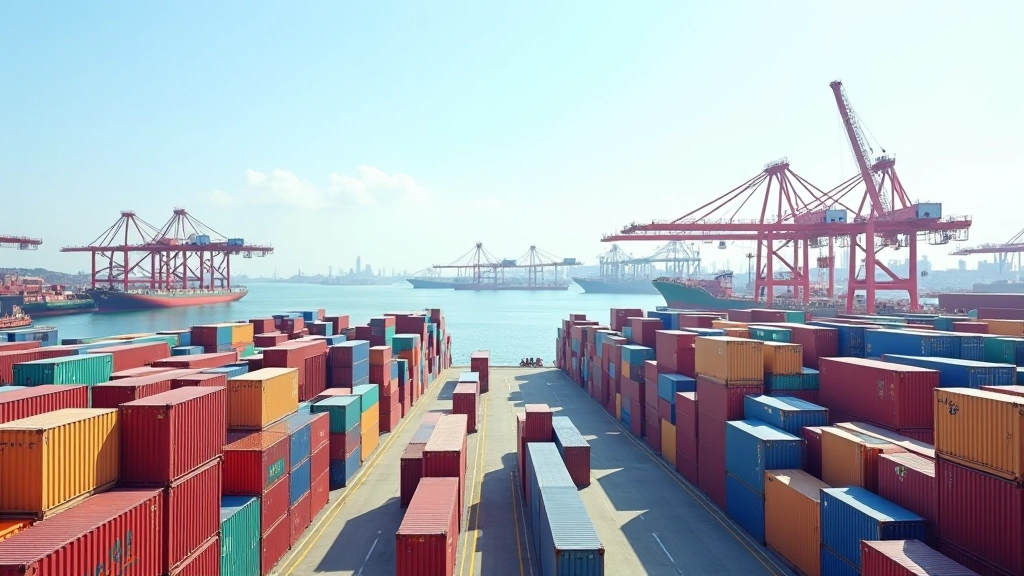
While regional frameworks grab headlines, bilateral agreements form the backbone of India’s trade relationships. These one-on-one pacts allow for more tailored negotiations addressing specific economic complementarities between two nations.
The US-India bilateral relationship has grown increasingly complex. The two countries don’t currently have a comprehensive free trade agreement, though negotiations have continued. What they do have are various sector-specific agreements and trade promotion frameworks. The US remains India’s largest trading partner in services, particularly in IT and business services where Indian companies dominate.
India and the EU have been negotiating a Bilateral Trade and Investment Agreement (BTIA) for years. These talks cover goods, services, and investment protections. The EU values India’s manufacturing capabilities while India seeks better access to European markets for its pharmaceutical, textile, and agricultural exports.
India’s trade relationships with Gulf nations remain vital. Around 8% of India’s merchandise exports go to GCC countries, with oil imports from the region representing a substantial share of India’s import bill. Preferential trade agreements with UAE and other Gulf states have strengthened ties, particularly in areas like re-exports and services.
Trade agreements don’t affect all sectors equally. Some industries benefit dramatically from reduced tariffs and improved market access, while others face increased competition. Understanding these sector-specific impacts reveals how these agreements reshape India’s economy.
Agricultural trade remains politically sensitive. Trade agreements typically include safeguard provisions allowing countries to restrict imports if domestic producers face serious injury. India’s agricultural sector employs over 40% of the workforce, making market access crucial. Agreements with countries like Australia have improved market access for Indian dairy and meat products.
India’s pharmaceutical industry — often called the world’s pharmacy — benefits significantly from trade agreements. Reduced tariffs on active pharmaceutical ingredients (APIs) and finished medicines expand export opportunities. The industry exports to over 200 countries, with trade agreements removing barriers in key markets like the EU and US.
While India doesn’t necessarily need bilateral trade agreements to export IT services (services trade operates differently than goods trade), agreements still matter. They can improve access for Indian IT professionals to work abroad temporarily and provide legal protections for Indian companies operating in partner countries.


India’s trade agenda continues evolving. The country’s pursuing negotiations with several new partners while deepening existing relationships. These emerging priorities reflect both economic ambitions and geopolitical positioning in an increasingly multipolar world.
Recent global disruptions have pushed India toward trade agreements that diversify supply chains. Rather than relying heavily on one or two sources for critical materials, India’s negotiating agreements with multiple partners for semiconductors, rare earth elements, and other strategic goods. This approach reduces vulnerability to disruptions while creating opportunities for Indian manufacturers.
Newer trade agreements increasingly include provisions on digital trade and e-commerce. India’s IT and fintech sectors are pushing for agreements that facilitate cross-border data flows and digital payments. These provisions will become more important as digital commerce grows — it’s expected to represent a larger share of total trade in coming years.
Modern trade agreements increasingly include environmental and labor provisions. These aren’t trade barriers but rather standards ensuring sustainable practices. India’s working to balance its development needs with these requirements, particularly regarding manufacturing competitiveness and labor practices in its growing industrial sectors.
India’s trade agreements represent far more than bureaucratic paperwork. They’re strategic tools shaping how the country integrates with the global economy. From RCEP’s ambitious regional framework to carefully negotiated bilateral pacts, each agreement reflects India’s evolving priorities and economic interests.
The agreements reveal important patterns. India’s balancing act between protecting domestic industries — particularly agriculture and small-scale manufacturing — while opening doors to sectors where it’s globally competitive. It’s seeking partners across regions rather than aligning exclusively with any single bloc. And it’s increasingly focused on emerging issues like digital trade and supply chain resilience.
For anyone interested in India’s economic future, these trade relationships matter. They influence everything from job creation to consumer prices. Understanding what’s in these agreements and how they work provides valuable insight into where India’s heading economically and how it’s positioning itself in global commerce.
Key Takeaway: India’s trade agreements aren’t one-size-fits-all. The country’s pursuing a diversified strategy — regional frameworks like RCEP, bilateral partnerships with major economies, and sector-specific pacts that reflect where Indian industries can compete globally. This approach acknowledges both India’s development needs and its growing economic strength.
This article provides educational information about India’s trade agreements and partnerships for informational purposes only. Trade policy is complex and evolves continuously as negotiations progress and new agreements take effect. The information presented reflects conditions as of February 2026 and may not capture the most recent developments.
This content isn’t trade policy advice or professional guidance for business decisions. Trade agreements have detailed provisions, exceptions, and safeguard mechanisms that require careful interpretation. If you’re involved in international trade or considering business decisions based on these frameworks, consult with trade experts, customs specialists, or government trade agencies who can provide guidance specific to your situation. Trade regulations and agreement terms change, and professional advice ensures you’re working with current, accurate information.