
Understanding India’s Export-Import Balance
How India’s merchandise exports and imports have shifted over time, what drives these fluctuations, and what they mean for the broader economy.
Read MoreUnderstanding which industries dominate India’s exports and imports, how they’ve evolved, and their role in global competition

For decades, people thought of Indian exports as mainly garments and spices. That’s outdated. Today, India’s international trade is way more complex. Petroleum products, pharmaceuticals, electronics, metals — these sectors are reshaping how India competes globally. We’re not just selling what we’ve always sold. The country’s export portfolio has fundamentally changed in the last 15 years, and understanding these shifts matters if you’re tracking global economics or India’s future role in international markets.
The balance of payments tells the real story. India’s current account fluctuates based on what we export versus import. When you understand which sectors drive those numbers, you see why India matters in global supply chains. We’re looking at petroleum, drugs, gems, machinery — industries that don’t make headlines but generate serious revenue.
India’s merchandise exports hit around $420 billion annually — that’s a massive number that keeps growing. But not all sectors contribute equally. The top export categories tell a different story than what most people imagine.
Petroleum products alone account for roughly 12-15% of total exports. That might surprise you. India imports crude oil, refines it, and sells refined products globally. It’s a high-margin business that drives serious cash flow. Pharmaceuticals come next — India’s the world’s pharmacy. We’re talking about generic drugs, bulk drugs, vaccines. This sector’s worth around $45-50 billion annually. Then there’s the gem and jewelry sector. Diamonds, precious stones, finished jewelry — these represent 7-9% of exports. It’s a legacy business that’s still going strong.
Engineering goods and machinery exports are growing fast. This includes everything from automotive components to heavy machinery. These sectors show India’s capability in manufacturing. Cotton and textiles remain important, but they’re smaller than people think — maybe 5-6% of total exports now.
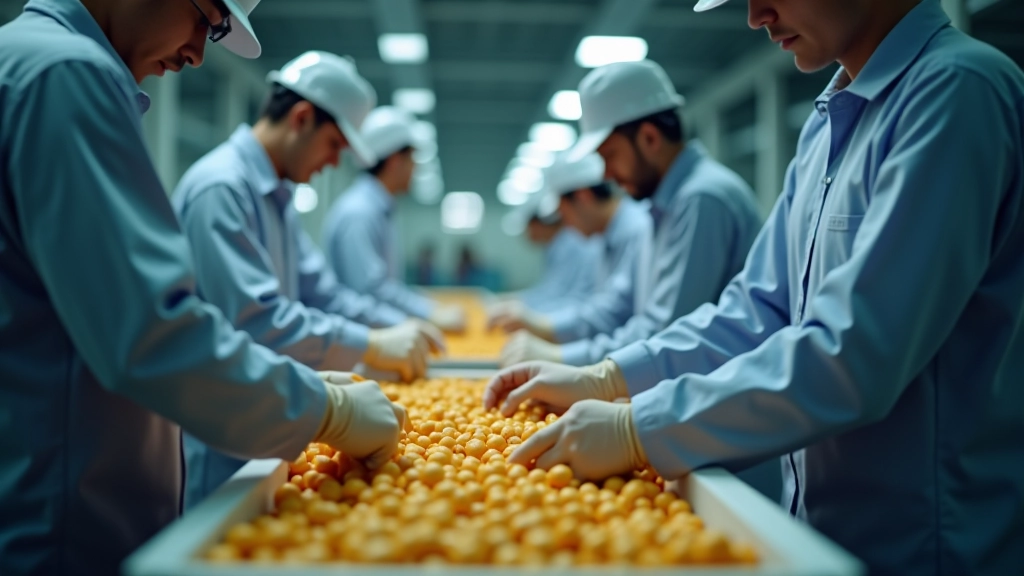
India’s refining capacity is huge. We process crude oil and export finished products. This sector’s worth around $60 billion annually and it’s critical for our balance of payments.
We’re the generic drug supplier to the world. Antibiotics, pain relievers, insulin — India manufactures them at scale. It’s a $45-50 billion sector with solid growth.
Cut and polished diamonds, finished jewelry — India’s got expertise here. The sector generates $30-35 billion in exports. It’s been part of Indian trade for centuries.
Automotive parts, machinery, equipment — this sector’s growing fast. It shows India’s manufacturing maturity. Worth roughly $50-55 billion annually.
Cotton fabric, garments, home textiles — India’s traditional strength. Still worth $20-25 billion, though competition from Vietnam and Bangladesh is intense.
Electronic components and IT services exports. Growing segment as India invests in semiconductor manufacturing and electronics assembly.

India’s imports are equally important for understanding the balance of payments. We import around $450 billion worth of goods annually. That’s actually more than we export, which creates a merchandise trade deficit. But here’s what’s crucial — this doesn’t tell the whole story because services exports offset it.
Crude oil is the biggest import. India has limited domestic oil reserves, so we import massive quantities from Middle East, Russia, and Africa. This alone accounts for 25-30% of import bills. Capital goods come next — machinery, equipment, industrial tools needed for manufacturing and infrastructure. Electronics and electrical equipment are growing imports as India builds its tech sector. We also import significant amounts of coal, metals, and chemicals.
What’s interesting is how import composition changed. Twenty years ago, India imported more consumer goods. Today, we’re importing capital goods and raw materials. That’s a sign of economic maturity — we’re importing stuff to manufacture things ourselves rather than just buying finished products.
The balance of payments measures everything. Merchandise trade is just one piece. India’s been running merchandise trade deficits for years, but here’s why it’s not a crisis — services exports more than make up for it.
IT services exports alone bring in $190-200 billion annually. Software, business process outsourcing, consulting — these sectors generate serious foreign exchange. Add in tourism, financial services, and remittances from Indians abroad (roughly $100 billion yearly), and suddenly the current account picture looks healthy. India’s current account has been fluctuating between small deficits and surpluses in recent years, mostly dependent on commodity prices and global demand.
Trade agreements matter too. India’s participation in regional trade frameworks affects these flows. The Regional Comprehensive Economic Partnership (RCEP), though India didn’t join, affects competition. Bilateral agreements with countries like Japan, South Korea, and Southeast Asian nations open new export opportunities.
“India’s strength isn’t in any single export. It’s in the diversity of what we can make and sell globally — from drugs to diamonds to data services.”
— Economic perspective on Indian trade structure
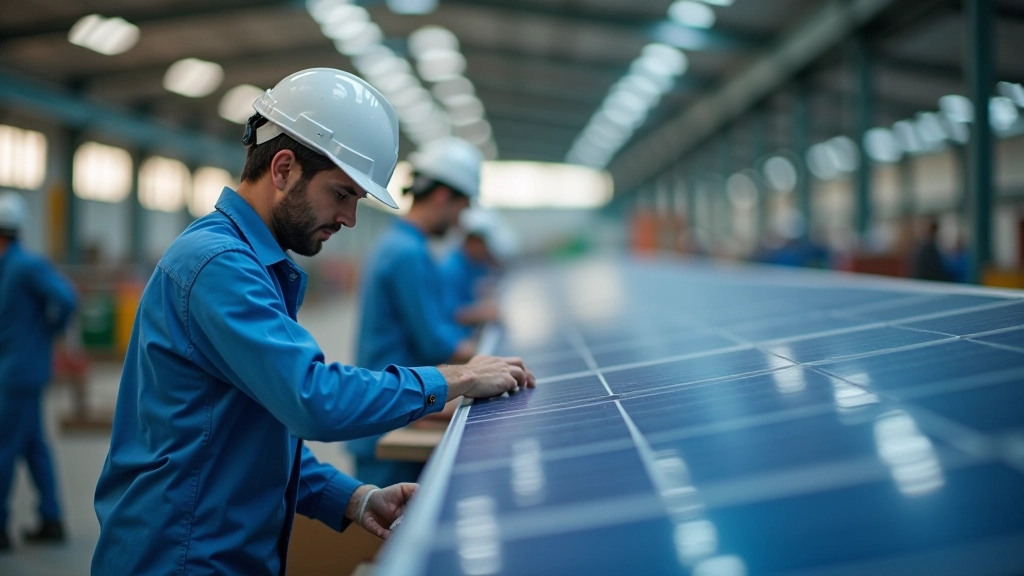
India’s trade profile is shifting. Green energy components and renewable equipment are becoming export categories. Solar panels, wind turbines, batteries — India’s positioning itself in clean energy supply chains. This wasn’t significant five years ago.
Semiconductor manufacturing is another emerging focus. India’s investing heavily here. Currently, we import most semiconductors, but government initiatives aim to build domestic capacity. In five to ten years, you’ll likely see semiconductor exports becoming a major category.
Agricultural exports are also evolving. Beyond traditional rice and sugar, India’s exporting value-added food products — spice blends, processed foods, frozen vegetables. These command higher margins than raw commodities. Trade agreements are opening new markets for these products, especially in Southeast Asia and the Middle East.
The competitive pressure’s real though. Vietnam’s crushing India in textiles and apparel. Bangladesh is strong too. China dominates electronics manufacturing. So India’s trying to move up the value chain — not just exporting raw textiles, but finished garments and home textiles with design value.
Understanding India’s trade sectors isn’t just academic. These industries employ millions. Pharmaceutical sector alone directly employs 2.7 million people. Textiles employ even more when you count entire supply chains. Engineering goods manufacturing supports thousands of small and medium enterprises.
Trade policy affects real people. When tariffs change or trade agreements shift, it impacts factory workers, exporters, small business owners. India’s government constantly negotiates trade deals — with bilateral partners and through multilateral forums. Each agreement tries to secure better market access for these key sectors.
The balance of payments affects the rupee’s value. When exports are strong, more foreign currency flows in, strengthening the currency. This affects import prices and inflation. It’s why policymakers obsess over export growth. They’re not just chasing numbers — they’re trying to maintain currency stability and manage inflation.
Looking forward, India’s trade trajectory depends on these sectors evolving. Can pharmaceuticals maintain dominance while costs rise? Can India build electronics manufacturing without competing directly with China? Can textiles stay relevant as automation increases? These aren’t easy questions, but they’ll shape India’s economic growth for decades.
India’s international trade isn’t about one golden sector. It’s about diversity — petroleum, drugs, gems, machinery, textiles, services. This diversity is strength. When one sector faces headwinds, others compensate. That’s why India’s managed to keep growing despite global uncertainties.
This article is for informational purposes only. Trade statistics, sector compositions, and export-import values are based on publicly available data as of March 2026 and may change. Trade policies, agreements, and economic conditions are dynamic and subject to rapid change. This content is not investment advice, economic guidance, or policy recommendation. For specific information about trade agreements, tariffs, or business decisions, consult official government sources like the Ministry of Commerce or trade professionals. Economic data and forecasts cited here reflect historical trends and aren’t guaranteed to predict future outcomes.