

Understanding India’s Export-Import Balance
How India’s merchandise exports and imports have shifted over time, what drives these trends, and which sectors lead the way in global markets.
Read MoreUnderstanding export-import dynamics, balance of payments, and trade agreements shaping India’s global commerce
India’s role in global trade has grown significantly over the past two decades. We’re exploring the fundamentals of trade flows, current account dynamics, and the bilateral agreements that define India’s economic relationships with trading partners worldwide. Whether you’re studying economics, managing international business, or simply curious about how trade works, you’ll find practical insights here.
In-depth guides and analysis on India’s trade dynamics
How India’s merchandise exports and imports have shifted over time, what drives these trends, and which sectors lead the way in global markets.
Read More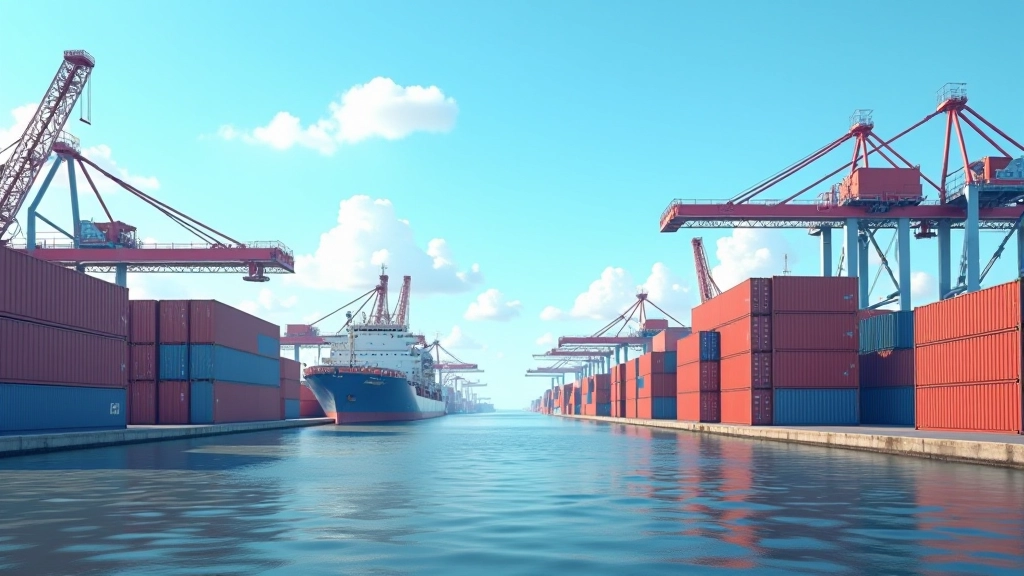
Breaking down India’s balance of payments structure, the current account surplus and deficit cycles, and what they mean for economic stability.
Read More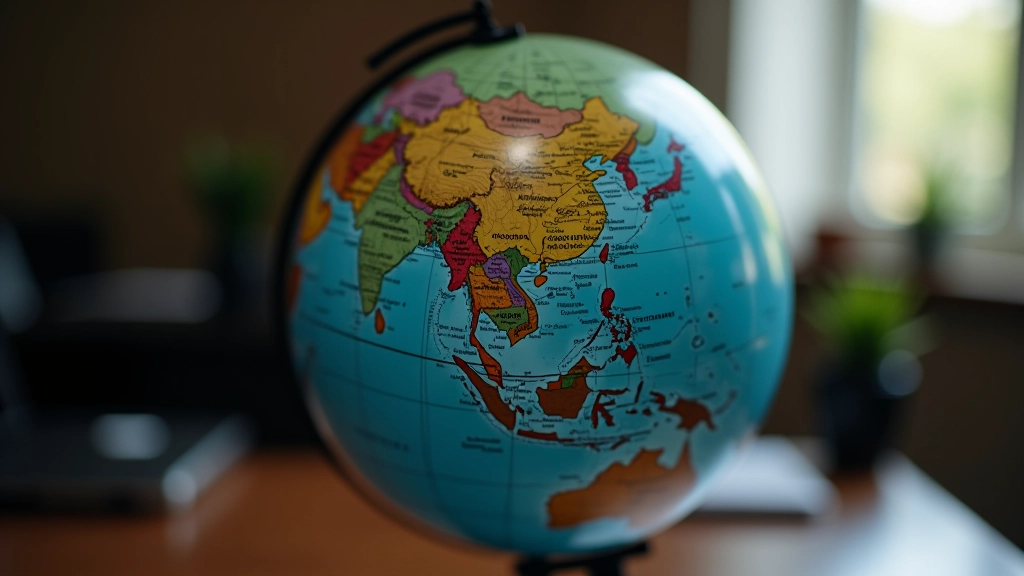
Overview of India’s bilateral and multilateral trade agreements, from RCEP participation to bilateral pacts with key trading partners.
Read More
Which industries dominate India’s exports and imports, how they’ve evolved, and their role in India’s competitive position globally.
Read MoreIndia’s merchandise exports have expanded significantly, with services exports growing even faster. The country’s textile, pharmaceutical, and IT sectors remain globally competitive. But there’s still room to improve manufacturing capabilities and value-added production across multiple sectors.
India’s trade deficit has fluctuated based on commodity prices and global demand. Energy imports remain a significant component of the import bill. Understanding these patterns helps explain India’s current account position and foreign exchange management strategies.
India’s trade landscape is shifting with regional agreements and supply chain diversification. We’re seeing increased engagement with Southeast Asia, the Middle East, and East Africa. These changes reflect India’s strategic positioning in reshaping global trade patterns.
India’s services exports—particularly IT services, business process outsourcing, and financial services—are crucial to its current account. These invisible exports offset some of the merchandise trade deficit. This is why understanding the full balance of payments picture matters.
Essential concepts for analyzing India’s international trade
The difference between exports and imports of goods. A positive balance means more exports than imports. India’s merchandise trade balance varies by year, influenced by commodity prices, global demand, and seasonal factors.
Includes goods, services, income flows, and transfers. This is the broader measure of how India trades with the world. It’s crucial because it reflects whether the country is spending more abroad than it’s earning from abroad.
Capital flows that support India’s development. These investments in Indian businesses are recorded in the capital account of the balance of payments. They’re distinct from trade but equally important to economic growth.
Bilateral and multilateral pacts that reduce tariffs and facilitate commerce. India’s agreements with ASEAN, RCEP members, and bilateral partners shape trade patterns. Understanding their terms helps predict future trade flows.
The ratio of export prices to import prices. When India’s export prices rise relative to import prices, it improves the terms of trade. This metric matters because it affects real purchasing power in international markets.
Measures how competitive India’s products are globally. Factors include quality, cost, innovation, and infrastructure. Tracking this helps understand India’s position in global value chains and export markets.